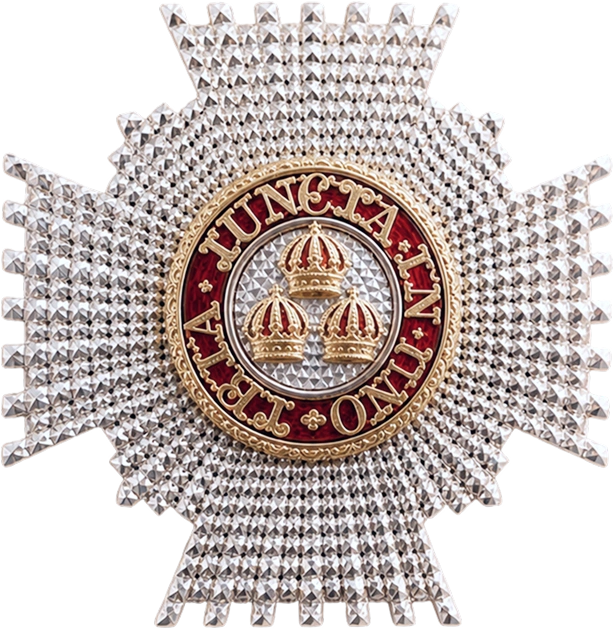
GCB
DCB

A Damehood is one of the UK’s highest national honours given to women. There are different Orders of Chivalry which include Damehood. All recipients are given the title Dame.
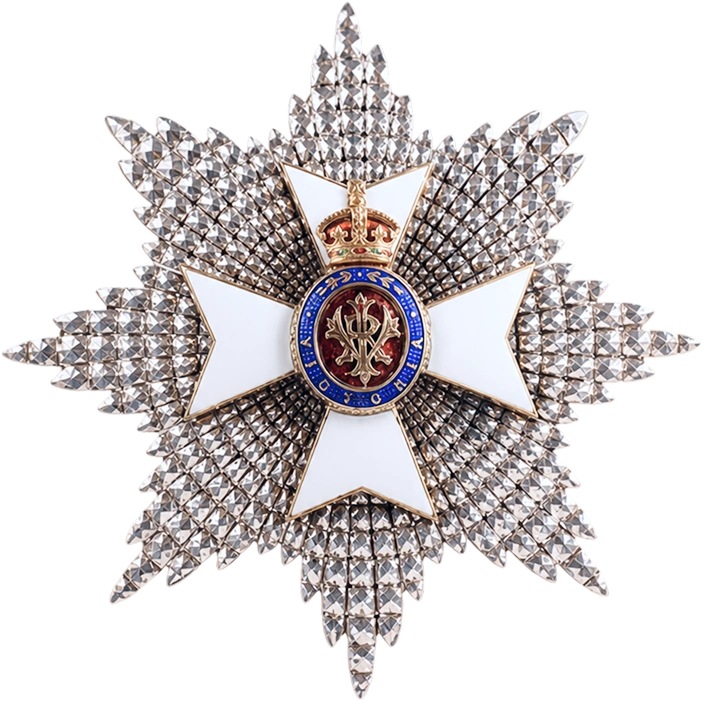
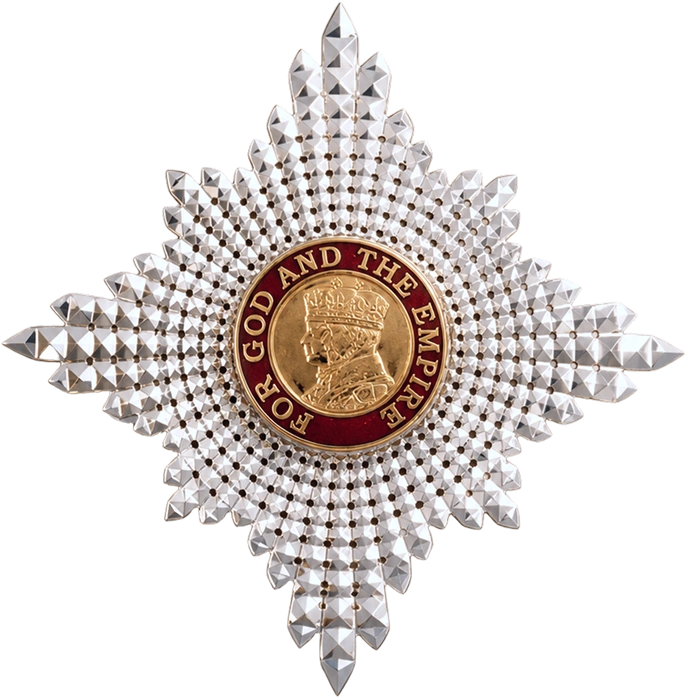
Orders of Chivalry within the UK Honours System where Damehoods are awarded include:
The Honour System is explained more fully here.
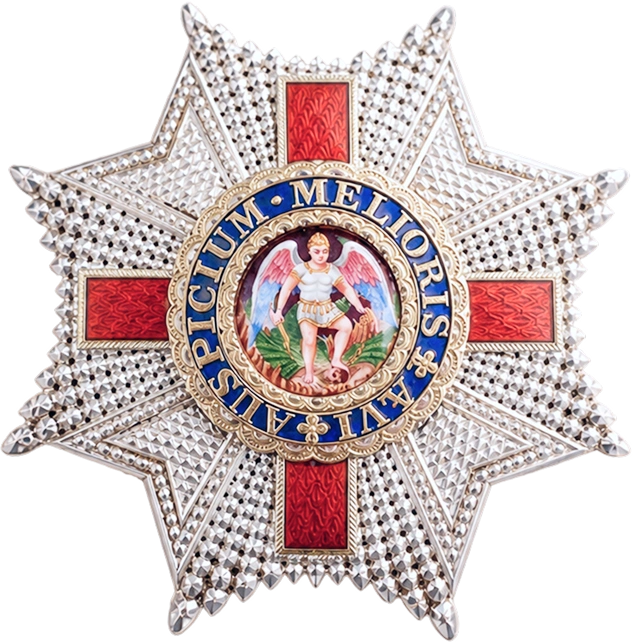
The Foreign, Commonwealth and Development Office (FCDO) and the Ministry of Defence (MOD) are also authorised to nominate Dames.
The Board provides leadership, direction and oversight, providing stewardship of the society for the long term, and acting as caretakers for all Dames.
The Board is chaired by Dame Tristia Harrison, with three Vice-Chairs, Dame Jackie Daniel, Professor Dame Sue Hill and Dame Fiona Kendrick.
Three oversight committees have been established: governance, finance and membership management, member engagement, events and marketing, and societal impacts are grants.
The Dames Commander Society brings Dames together to champion causes identified by our members. We understand the power of networks and what can be achieved when people work together – we know how to get things done.
Supporting initiatives that align with our purpose. Offering connections, experience and influence behind the scenes.
Promoting initiatives. Working side-by-side to move things on – leveraging our connections and expertise.
Leading on underserved issues where need is great. Getting things started – drawing people in and pulling them along.
Great work is already happening to tackle society’s most urgent challenges. We see our job as helping where we can.
Always with openness, generosity and determination – working to remove obstacles and bring about meaningful change.





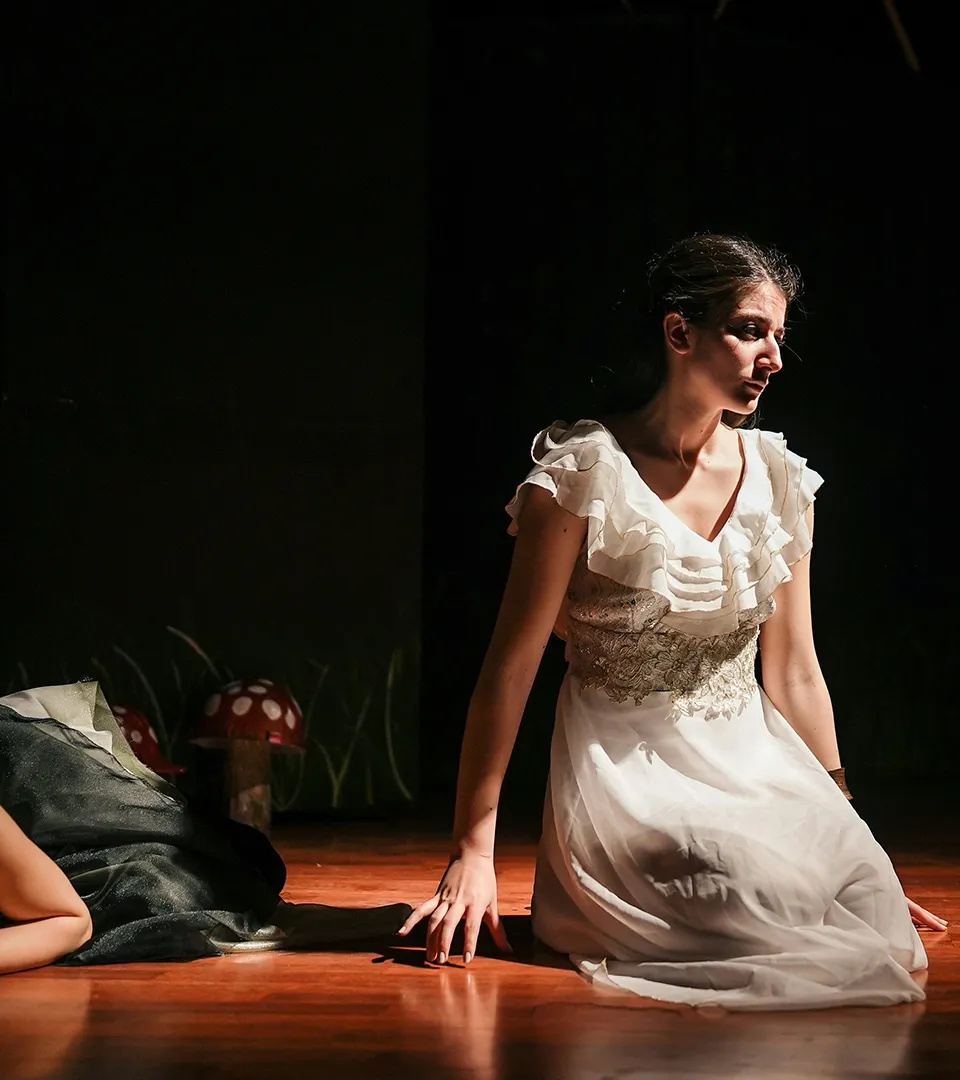
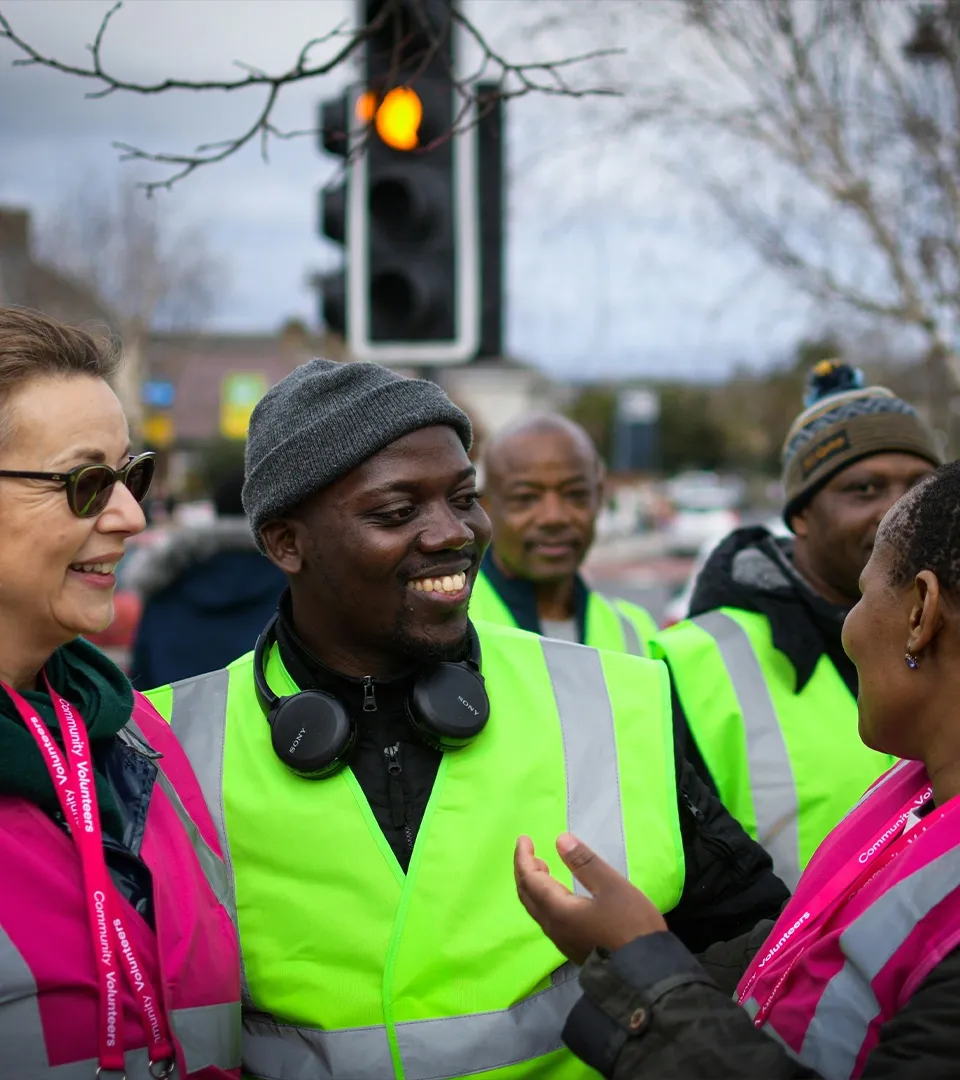


Our members are experts in fields such as business, science and technology, education, sports, culture and the arts, health and social care, the armed forces, law and order, politics, charity and NGOs.


After the COVID 19 pandemic several Dames from the health sector explored how they could come together to use their Damehood for greater societal impact to do good for society.
In late 2022 this resulted in a formal invitation to all Dames to come together in the interest of social progress.
Throughout 2023 a small team held webinars, workshops and events. With pro-bono admin and consultancy support from Deloitte, we began to grow and put structure to the society.
By early 2024 nearly 200 Dames had joined. We registered as a Community Interest Company. During 2024 we completed a strategic review and created an interim board of volunteers comprising representatives from across the professional fields recognised by Damehoods.
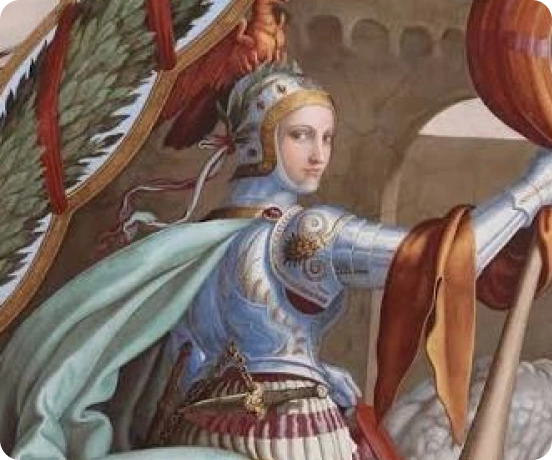
The Order of the Ermine, founded in France by John V, Duke of Brittany, in 1381, was the first order of chivalry to accept women. However, female knights had existed for centuries in many places in the world prior to this. Like their male counterparts, they generally bore a coat of arms.
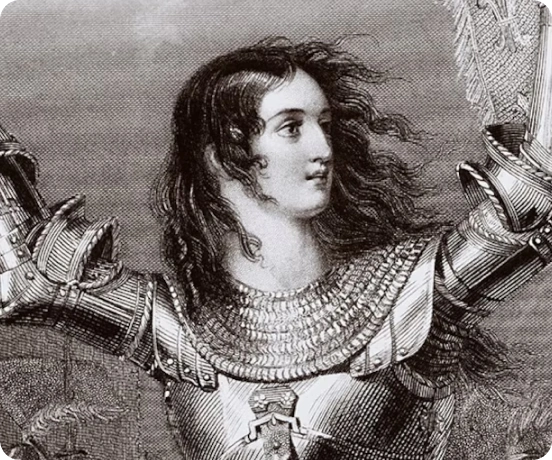
Perhaps the most famous female knight.
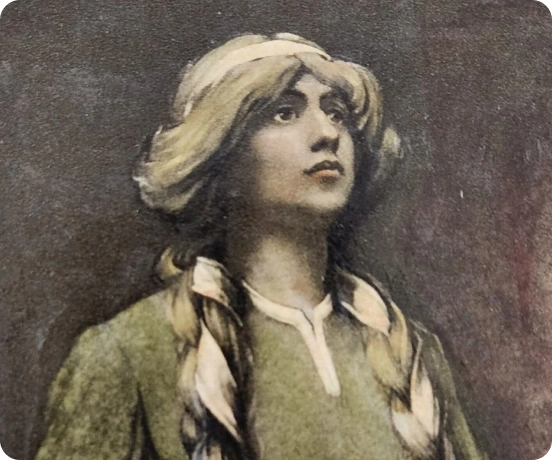
Some female knights wore armour, others commanded troops, and some were members of an official order of chivalry. But this did not mean they were officially knighted the way men were.
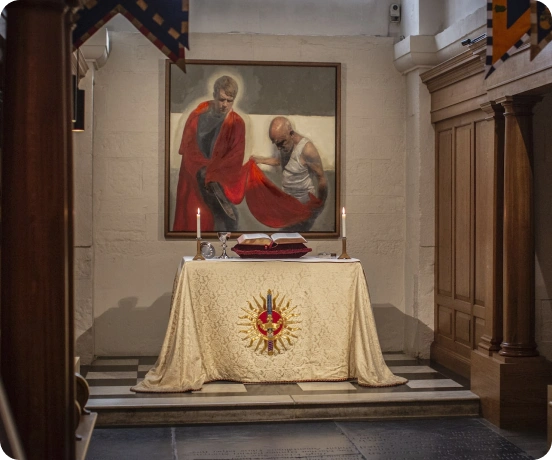
The Imperial Society of Knights Bachelor (ISKB) was founded in 1908 – granted the title Imperial by His Majesty King George V – to act as the Registry for Knights Bachelor and to uphold the dignity of the designation.
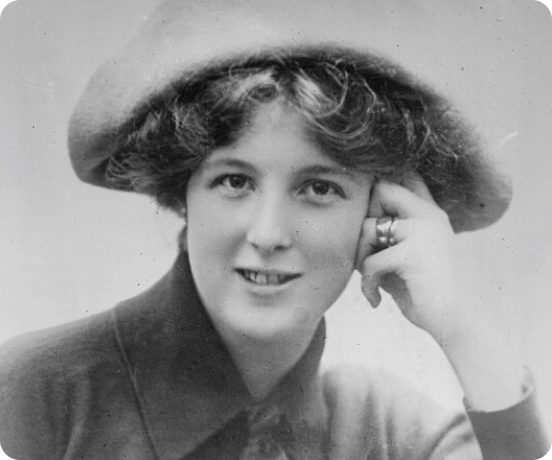
In 1917, the title of Dame, as the official equivalent of Knight, was introduced with the Order of the British Empire.
It was subsequently extended to the Royal Victorian Order in 1936, the Order of St Michael and St George in 1965, and finally the Order of the Bath in 1971.
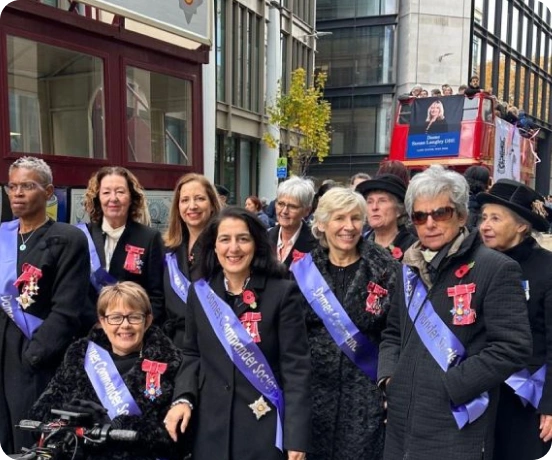
The DCS has made considerable efforts to bring together a list of all living Dames. We estimate that there are 660 living Dames.
Membership is open to all awarded a Damehood.
We build relationships with organisations and causes where we can make a difference. Register your interest in partnering with us.
Organisations that share our goals can support our work with services, spaces or donations.